
What is iClub?
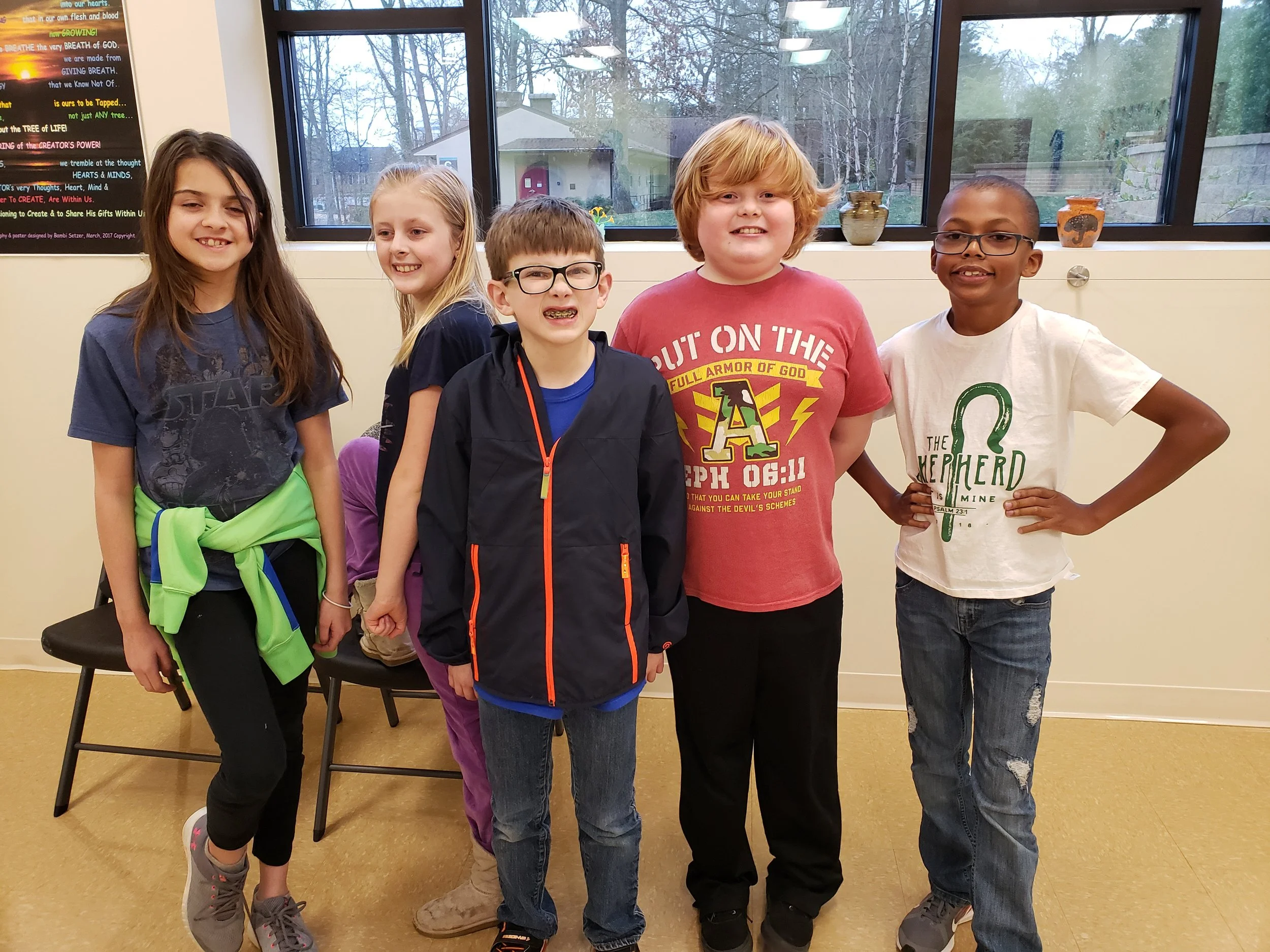
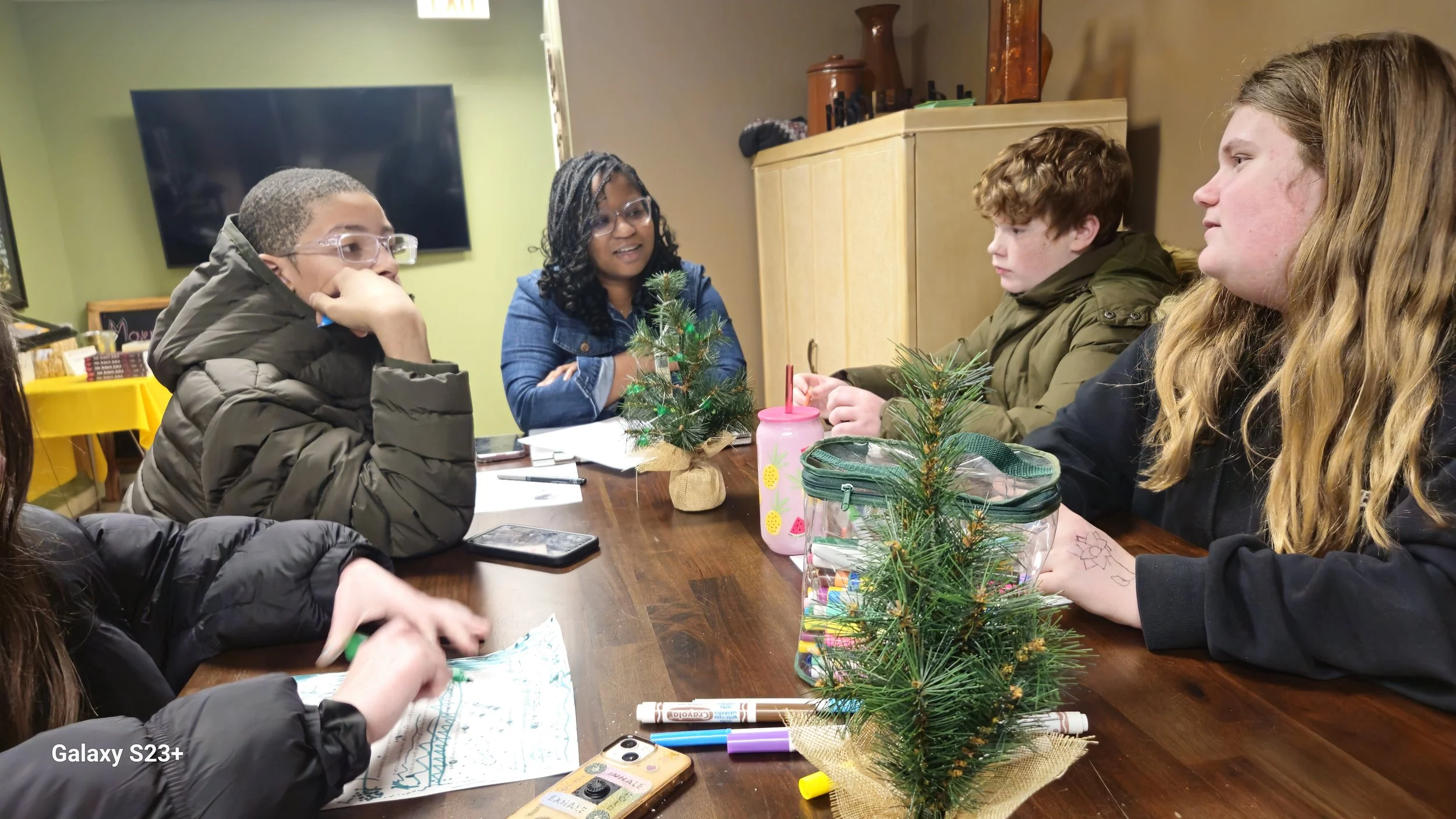
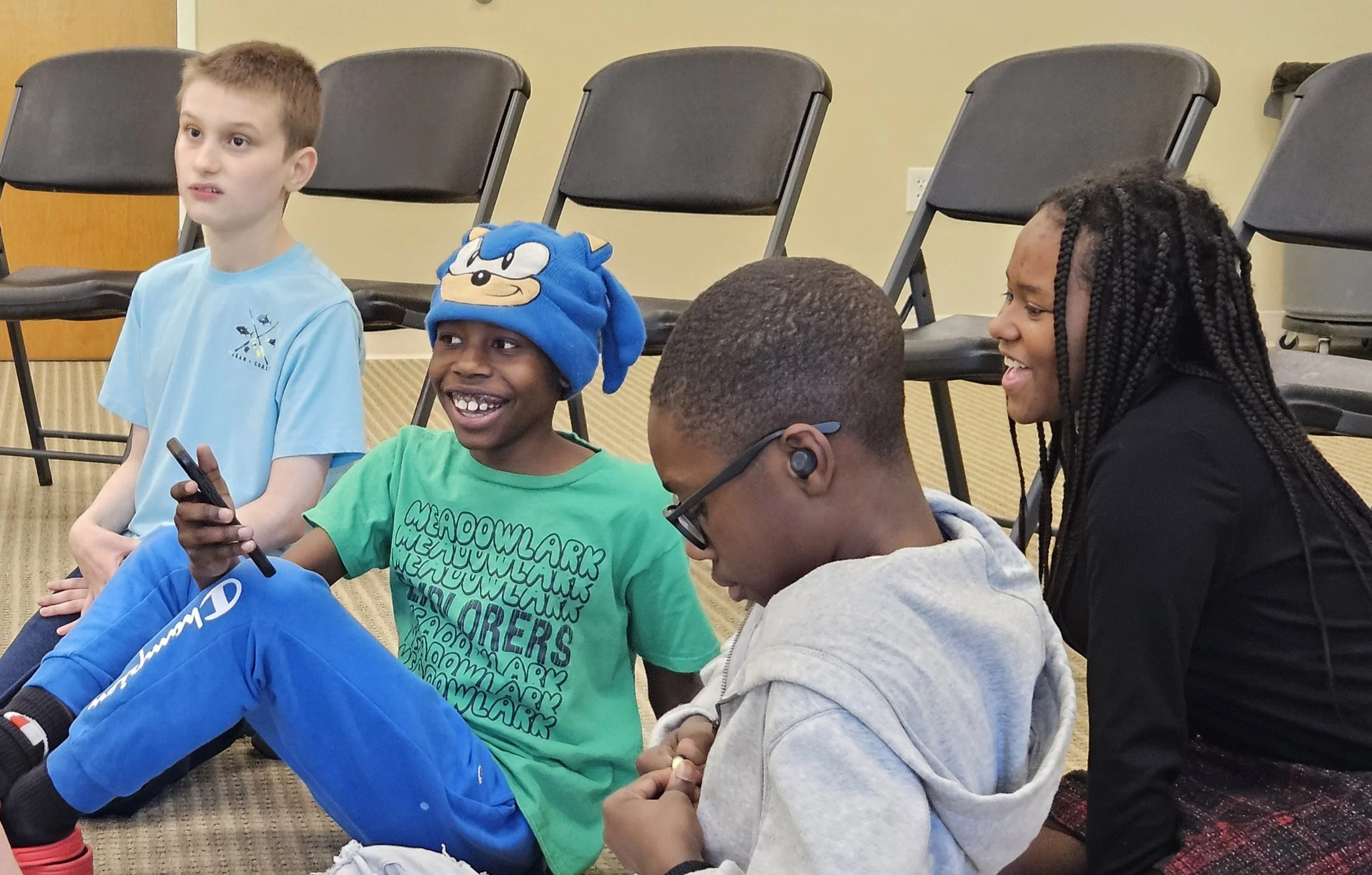
A club for those with social challenges where participants interact with peers, practice social skills, play games applying the new skills, and make new friends in a safe and welcoming environment.
Who should join iClub?
Children and youth, ages 8-13, who will benefit from learning social skills and seeking opportunities to make new friends. Participants are neurodivergent! Some may have Autism Spectrum Disorder, Asperger’s, PDD-NOS, and/or ADD/ADHD. However, a diagnosis is not required for participation.
What can you learn at iClub?
Children learn to make and keep friends, talk to new people, understand emotions, build confidence and self-esteem, interpret body language, share, manners, coping skills, perspective-taking, and more ~ all while having fun with your new friends!
Why is it important to learn social skills?
Social skills are fundamental to happiness and contentment throughout our lives, but these skills don’t come naturally to everyone. At iClub, participants learn these skills in a unique way that fits their learning style, which will help them become more independent adults, form meaningful relationships, and hold jobs in the future. Like any skill, practice and reinforcements are the only ways to improve!
When is iClub?
iCan House hosts multiple iClub groups each week based on different developmental ages. iClub and iClub Jrs. meet for 1.5 hours during the week after school. Individual placement is dependent upon the child’s age and developmental maturity. Specific scheduling questions and options will be discussed with the Admissions Specialist.


iClub Core Concepts

To apply and join iClub:
Please send an email to info@icanhouse.org or call
(336) 723-0050 for information
GROUP PARTICIPATION
Space Invaders
Manners
Distractions
4 Part Listening
Contributing to the Group
Inclusion
Team Building
Self Control
Rules and Consequences
Unwritten Rules and Consequences
RELATIONSHIPS
The Trust Circle
Friends vs. Foes
Friendship Formula
Trust and Friends
Friendship Maintenance
Reciprocity
Families
Your relationship with YOURSELF
SPORTSMANSHIP
Rules of Sportsmanship
Good vs. Bad Sport
Pathway to Good Sportsmanship
Chill Mode vs. Reaction Mode
Sportsmanship Across Groups
What is Feedback?
Giving and Receiving Feedback
Practice

EMOTIONAL CONTROL
Emotional Vocabulary
Tipping Point
Stress
Anger
Annoyance
Boredom
Reactions
Finding the Positive
FLEXIBILITY
What is Flexibility?
Flex Brain vs. Rock Brain
Accepting “No”
Dealing with Change
Expected vs. Unexpected Change
How Change Feels
Processing Change
Reacting to Change
Compromise
Picking Your Battles
Mistakes
Saying Sorry
CONVERSATION SKILLS
Conversation Mountain
Introductions
Small Talk
Conversation Topics
Follow-up Questions, Comments, and Elaboration
5 Comm
Verbal Filter
Nonverbal Communication
Staying on Topic
Responses and Next Steps
Stop Signals and Talking Space
Humor
Humor vs. Silly
Sarcasm
EMPATHY & PERSPECTIVE
What is Empathy?
What is Perspective?
Practicing Empathy and Perspective
Giving and Receiving Compliments
Honesty
Opinions
First Impressions
INDEPENDENCE & PROBLEM SOLVING
Feather, Pebble, and Brick Problems
School
Bullying
Cyber Safety
Cyber Bullying
S.M.A.R.T. Goals
Hygiene
Advocacy
Organization
Priorities
GROUP PARTICIPATION
Space Invaders
Manners
Distractions
4 Part Listening
Contributing to the Group
Inclusion
Team Building
Self Control
Rules and Consequences
Unwritten Rules and Consequences
RELATIONSHIPS
The Trust Circle
Friends vs. Foes
Friendship Formula
Trust and Friends
Friendship Maintenance
Reciprocity
Families
Your relationship with YOURSELF
SPORTSMANSHIP
Rules of Sportsmanship
Good vs. Bad Sport
Pathway to Good Sportsmanship
Chill Mode vs. Reaction Mode
Sportsmanship Across Groups
What is Feedback?
Giving and Receiving Feedback
Practice
EMOTIONAL CONTROL
Emotional Vocabulary
Tipping Point
Stress
Anger
Annoyance
Boredom
Reactions
Finding the Positive
FLEXIBILITY
What is Flexibility?
Flex Brain vs. Rock Brain
Accepting “No”
Dealing with Change
Expected vs. Unexpected Change
How Change Feels
Processing Change
Reacting to Change
Compromise
Picking Your Battles
Mistakes
Saying Sorry
CONVERSATION SKILLS
Conversation Mountain
Introductions
Small Talk
Conversation Topics
Follow-up Questions, Comments, and Elaboration
5 Comm
Verbal Filter
Nonverbal Communication
Staying on Topic
Responses and Next Steps
Stop Signals and Talking Space
Humor
Humor vs. Silly
Sarcasm
EMPATHY & PERSPECTIVE
What is Empathy?
What is Perspective?
Practicing Empathy and Perspective
Giving and Receiving Compliments
Honesty
Opinions
First Impressions
INDEPENDENCE & PROBLEM SOLVING
Feather, Pebble, and Brick Problems
School
Bullying
Cyber Safety
Cyber Bullying
S.M.A.R.T. Goals
Hygiene
Advocacy
Organization
Priorities